UK pathology provider Diagnexia chooses Sectra to speed up pathology reporting for the NHS
2026-10-12
|
Medical Systems
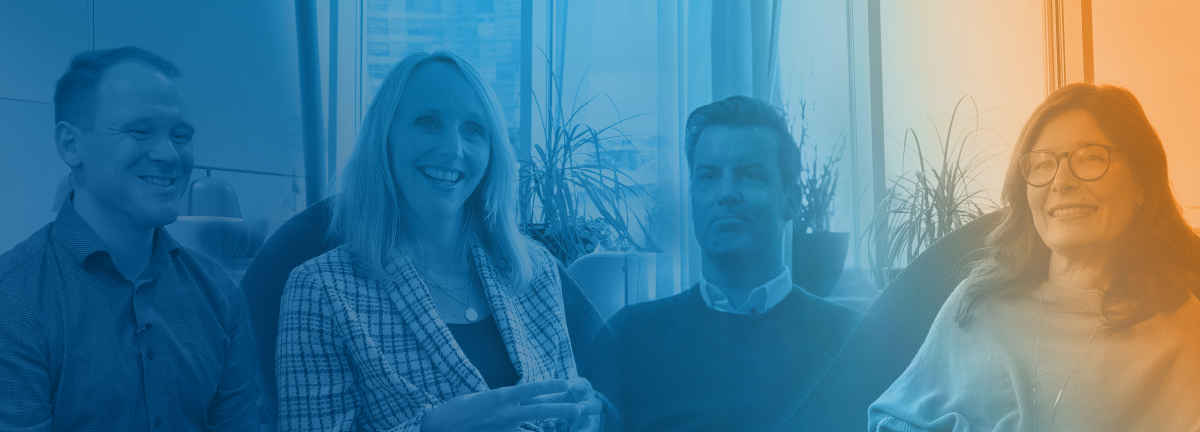
A video series by Sectra
Four short conversations on how AI is changing radiology, and where it is heading next.
With worklists growing faster than they can be read, the question is no longer whether radiology departments needs AI, but how to adopt it in a way that eases the workday rather than adds to it. In this series, we’ve brought together Sectra experts who work with AI in radiology every day. Over four short episodes, they talk about how AI is used, what is realistic in the next few years, and why the radiologist stays at the center of it all.

The goal is not to remove the radiologist from the process, it’s to make sure that the radiologist can focus on the patients where it matters the most.

Oscar Larsson
General Manager, Sectra Oxipit
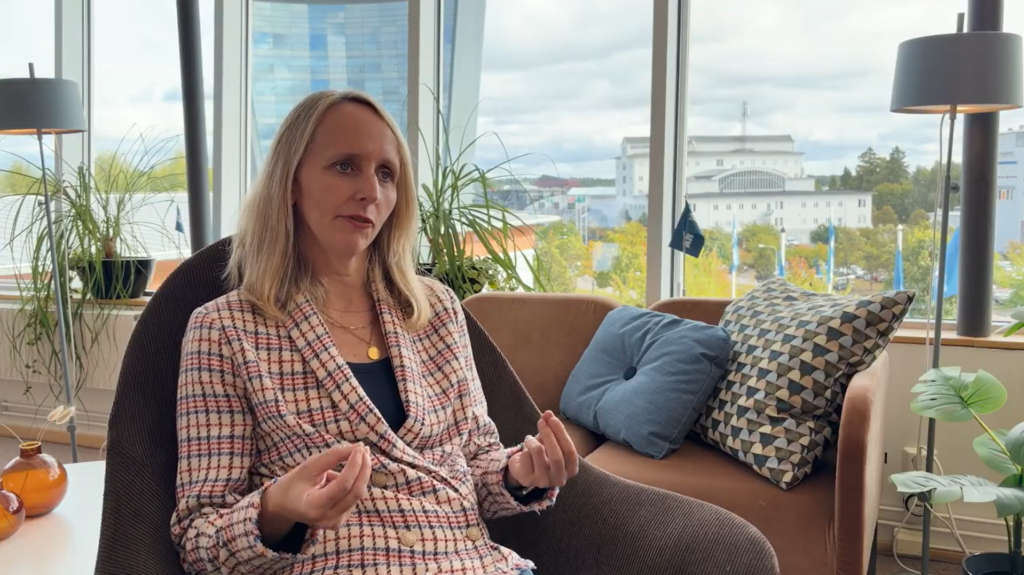
Nynke Breimer, General Manager, Sectra Amplifier Services
Most AI pilots that never reach clinical practice don’t fail on results. They get stuck on agreements, infrastructure, and training. Nynke explains why trust among the radiologists using the tool decides whether it gets adopted, and why that trust has to be earned for as long as the tool is in use.
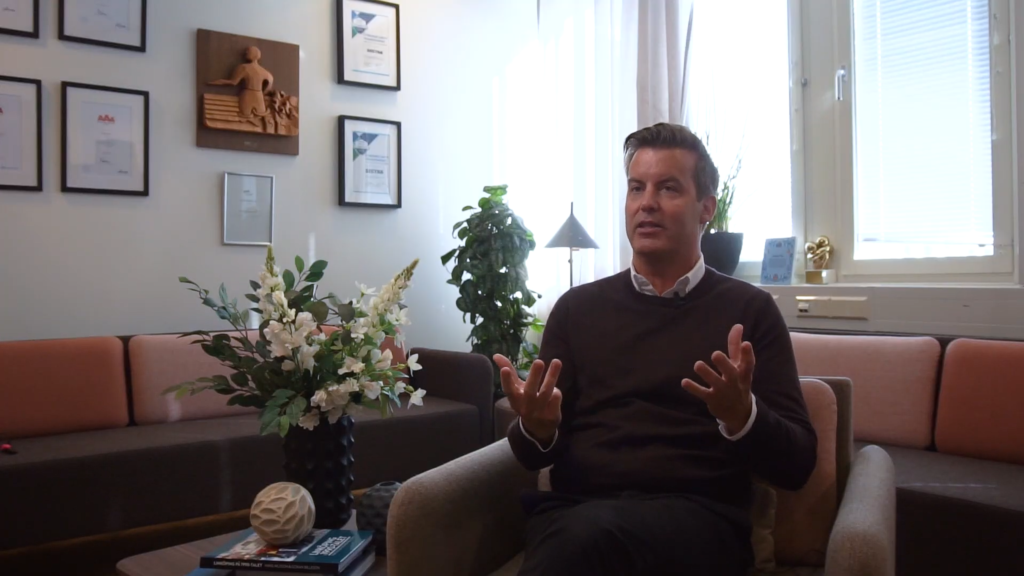
Oscar Larsson, General Manager, Sectra Oxipit
AI has helped radiologists read faster for years, yet the worklist is as long as ever. Oscar discusses what changes when AI takes confidently normal studies off it entirely, and why some of them should still land on the radiologist’s desk.
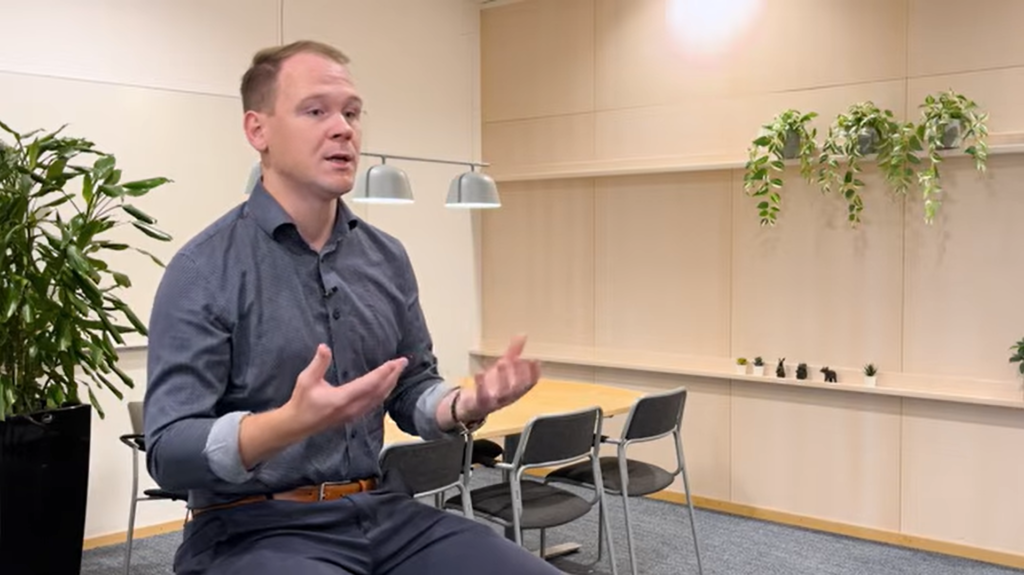
Jonatan Ekström, General Manager, Workflow and Reporting
Radiologists spend much of their time getting into the case before the reading starts. Jonatan describes where AI can help there, what automated impressions do for a radiologist at the end of a long shift, and what changes when the report is drafted before the case is even opened.
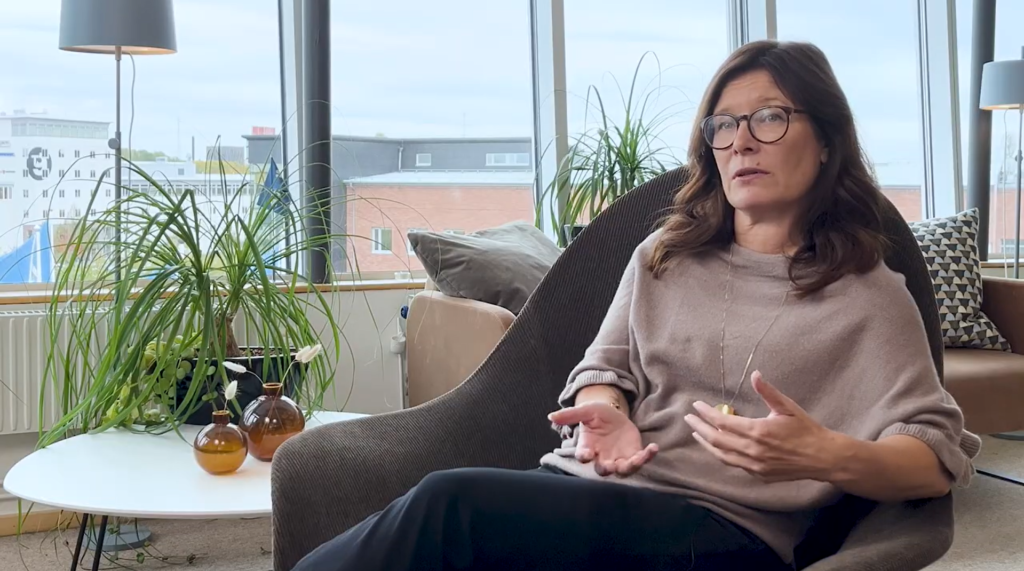
Lisa Lindfors, Global Product Manager, Radiology Imaging
Radiologists still ask for AI that detects and measures, but more and more want AI that prepares the case for them. Lisa talks about what it takes for AI to be used every day, where it helps in complex cases, and how one connected flow from reading to report is changing cardiac diagnostics.